- Home
- About Us
- Products
- Hydraulic Plate Rolling Machine
- Pre Pinch Plate Rolling Machine
- Plate Bending Machine
- Section Bending Machine
- Plate Straightening Machine
- Hydraulic Shearing Machine
- Hydraulic Press Machine
- Power Press Machine
- Perforated Press Machine
- Hydraulic Dish End Press
- Horizontal Section Bending Machine
- Vertical Section Bending Machine
- Updates
- Gallery
- Contact Us
Hydraulic Dish End Press
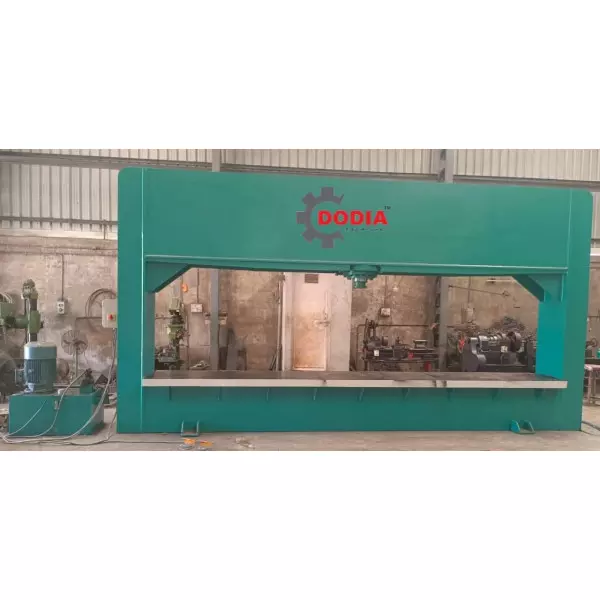
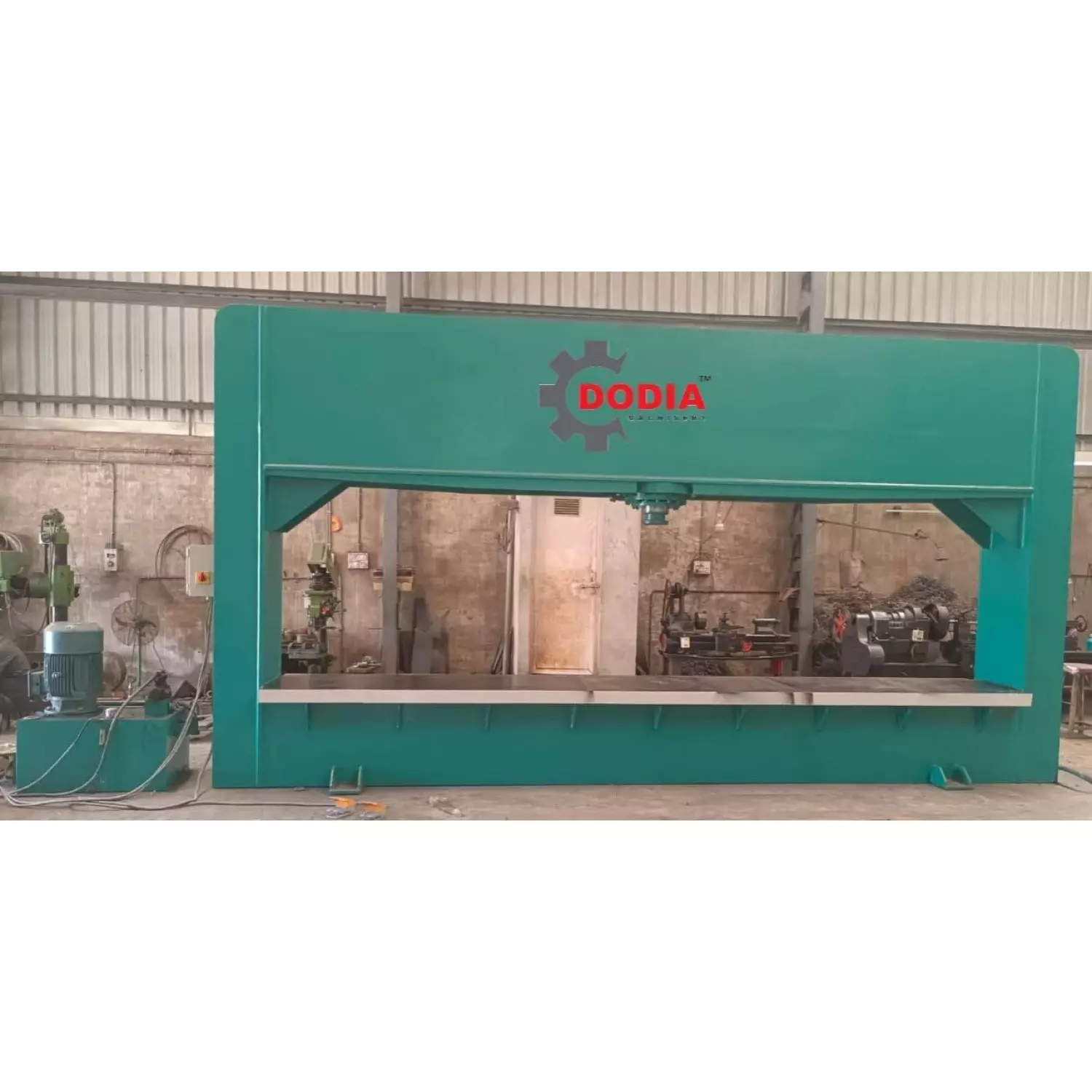
Hydraulic Dish End Press Details
Dish ends need a controlled forming process because the finished shape has to match the required vessel design. A flat plate can't simply be pressed without considering its material, thickness and final profile. We manufacture Hydraulic Dish End Press for industrial dish end forming applications and supply it to customers across South Africa. Since 1986, we've been manufacturing machinery for fabrication and engineering requirements.
Our Hydraulic Dish End Press in South Africa is supplied to customers in Cape Town, Johannesburg, Durban, Pretoria and other industrial locations. The machine uses hydraulic pressing action to form metal plates into dish end shapes. The machine configuration depends on the plate material, thickness, diameter and required dish end profile.
Forming Circular Plates Into Dish Ends
Dish ends are commonly used as formed ends for cylindrical vessels and similar fabricated components. The forming process changes a flat circular plate into the required curved profile through controlled pressing. The correct machine setup depends heavily on the dimensions and material being processed.
We manufacture the press with a robust structure suitable for heavy industrial forming work. The hydraulic system provides controlled pressing movement, while the tooling determines the shape being formed. Proper tooling and machine selection are important for getting the required dish end profile.
Hydraulic Dish End Press Details
| Machine Aspect | Details |
|---|---|
| Forming Method | Hydraulic pressing is used for dish end forming applications. |
| Primary Function | Forms circular metal plates into required dish end profiles. |
| Machine Structure | Robust construction designed for industrial forming work. |
| Material Selection | Machine configuration depends on the material and plate thickness. |
| Tooling | Required tooling depends on dish end diameter and finished profile. |
Tooling and Plate Details Need to Match
Dish end forming isn't the same for every vessel. Diameter, plate thickness, material and finished shape can all change the machine requirement. The forming die also needs to match the required profile.
We discuss these details before finalising the machine. Customers can share the plate material, thickness, diameter, required dish end profile and production requirement. This helps us understand the actual forming application and discuss the suitable machine configuration.
Used for Industrial Vessel Fabrication
Our Hydraulic Dish End Press can be considered for dish end forming in vessel fabrication and other heavy fabrication applications. It can be used for suitable components used in tanks, boilers, pressure vessels and related industrial fabrication, depending on the machine and tooling configuration.
The equipment can support fabrication work for industrial projects in Cape Town, Johannesburg, Durban, Pretoria and other regions of South Africa. The actual application and machine selection should be checked against the required vessel dimensions and forming process.
Manufacturing, Assembly and Testing
We manufacture the machine through structural fabrication, machining, hydraulic assembly and fitting. Important components are checked during production, followed by final inspection and testing after assembly. We compare the finished equipment with the agreed requirements before dispatch.
If you're looking for a Hydraulic Dish End Press in South Africa, share your plate material, thickness, dish end diameter, required profile and application with us. We're ready to discuss the suitable machine details for your vessel fabrication requirement in Cape Town, Johannesburg, Durban, Pretoria and across South Africa.
Related Products
Hydraulic Plate Rolling Machine
Plate rolling work becomes easier to manage when the machine has the right combination of strong construction and contro... Continue
Pre Pinch Plate Rolling Machine
The first few bends can decide how the finished rolled plate will look. If the plate edge isn't formed properly before r... Continue
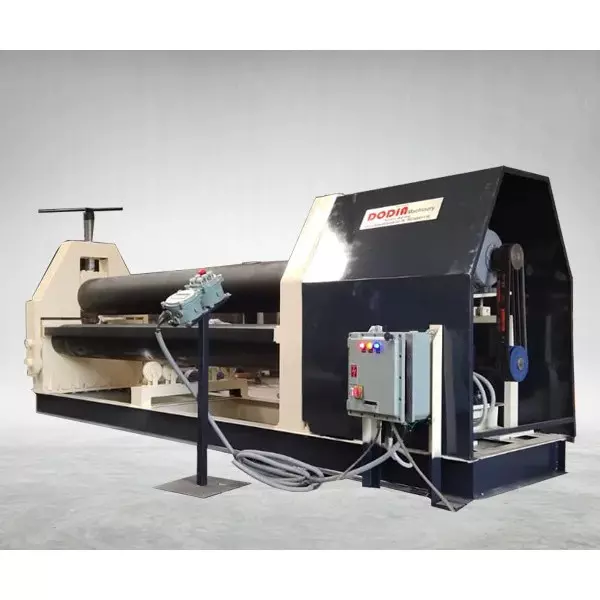
Plate Bending Machine
Getting the required curve in a metal plate depends on more than simply applying force. The plate needs to be handled in... Continue
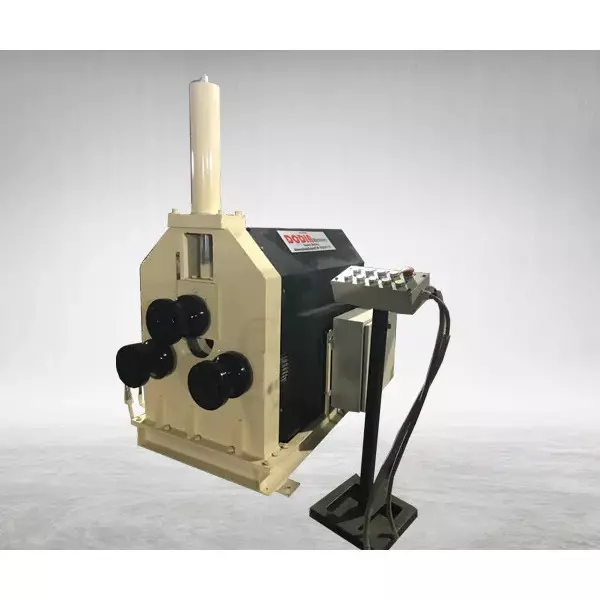
Section Bending Machine
A straight metal section can look very different once a curve is added to it. For fabrication work, that curve needs to ... Continue
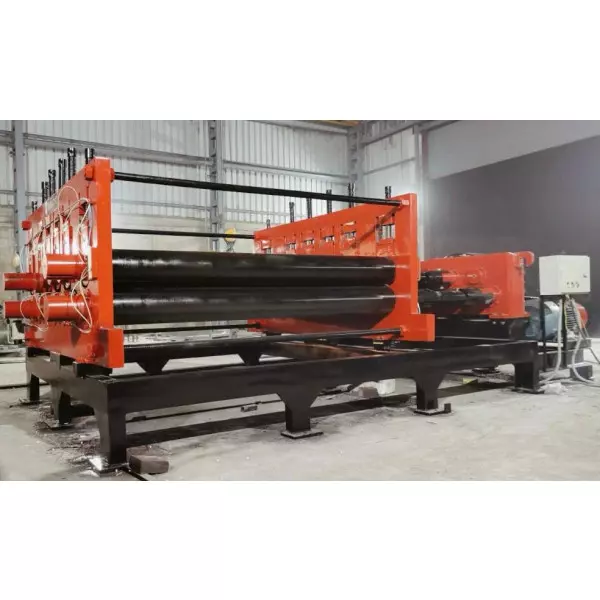
Plate Straightening Machine
A plate can leave a fabrication process with unwanted bends or uneven areas. When that happens, using the plate as it is... Continue
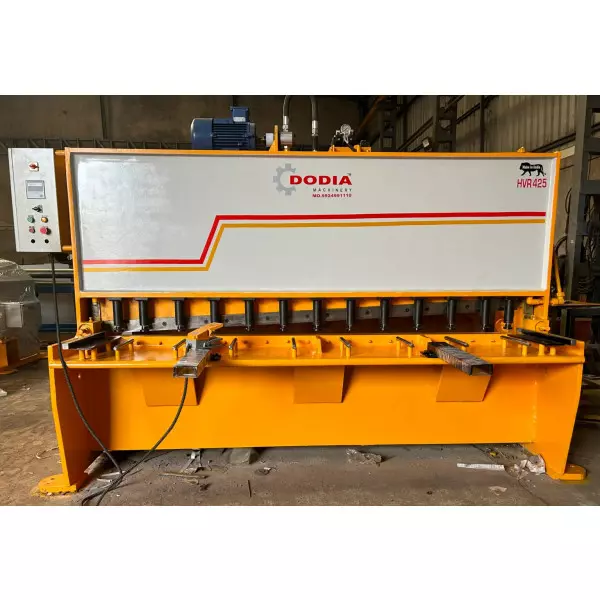
Hydraulic Shearing Machine
Clean cutting is often the first step before a metal plate moves into fabrication. If the cut isn't suitable, the next f... Continue
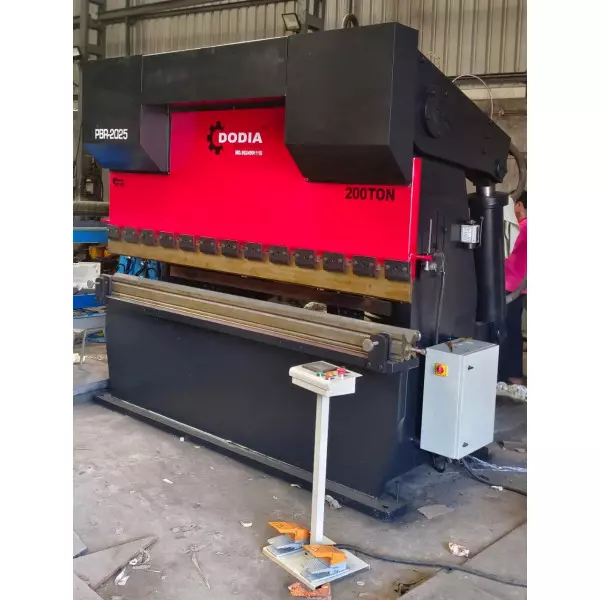
Hydraulic Press Machine
Pressing work can involve very different jobs, from forming and shaping components to applying controlled force during f... Continue
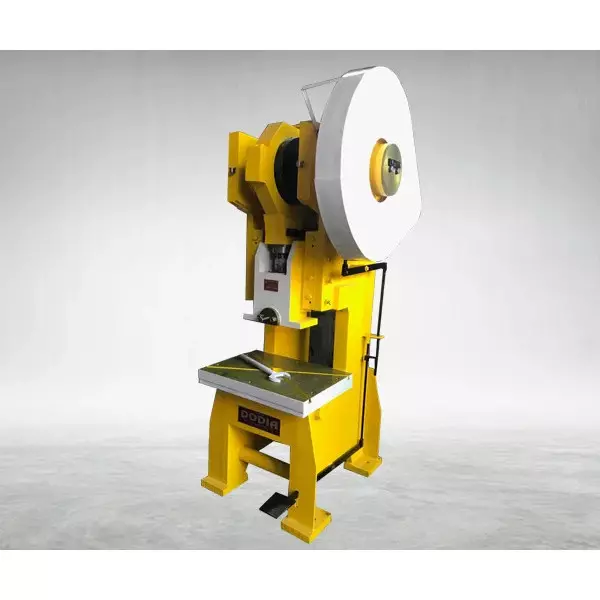
Power Press Machine
Pressing and forming work becomes easier to manage when the machine is selected around the actual component and producti... Continue
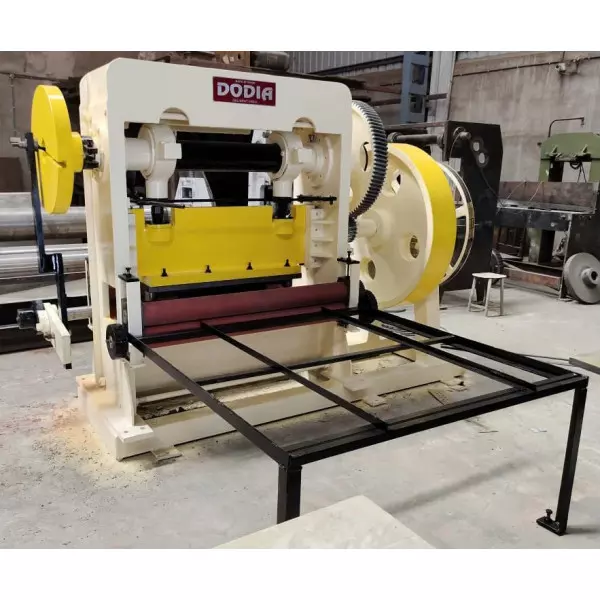
Perforated Press Machine
Perforation work needs the right combination of pressure, tooling and material handling. A machine that suits one plate ... Continue

Horizontal Section Bending Machine
Some profile bending jobs need a machine layout that suits the way the section is placed and handled during forming. A h... Continue
Vertical Section Bending Machine
The way a profile is positioned during bending can make a real difference to the working setup. For applications where a... Continue